
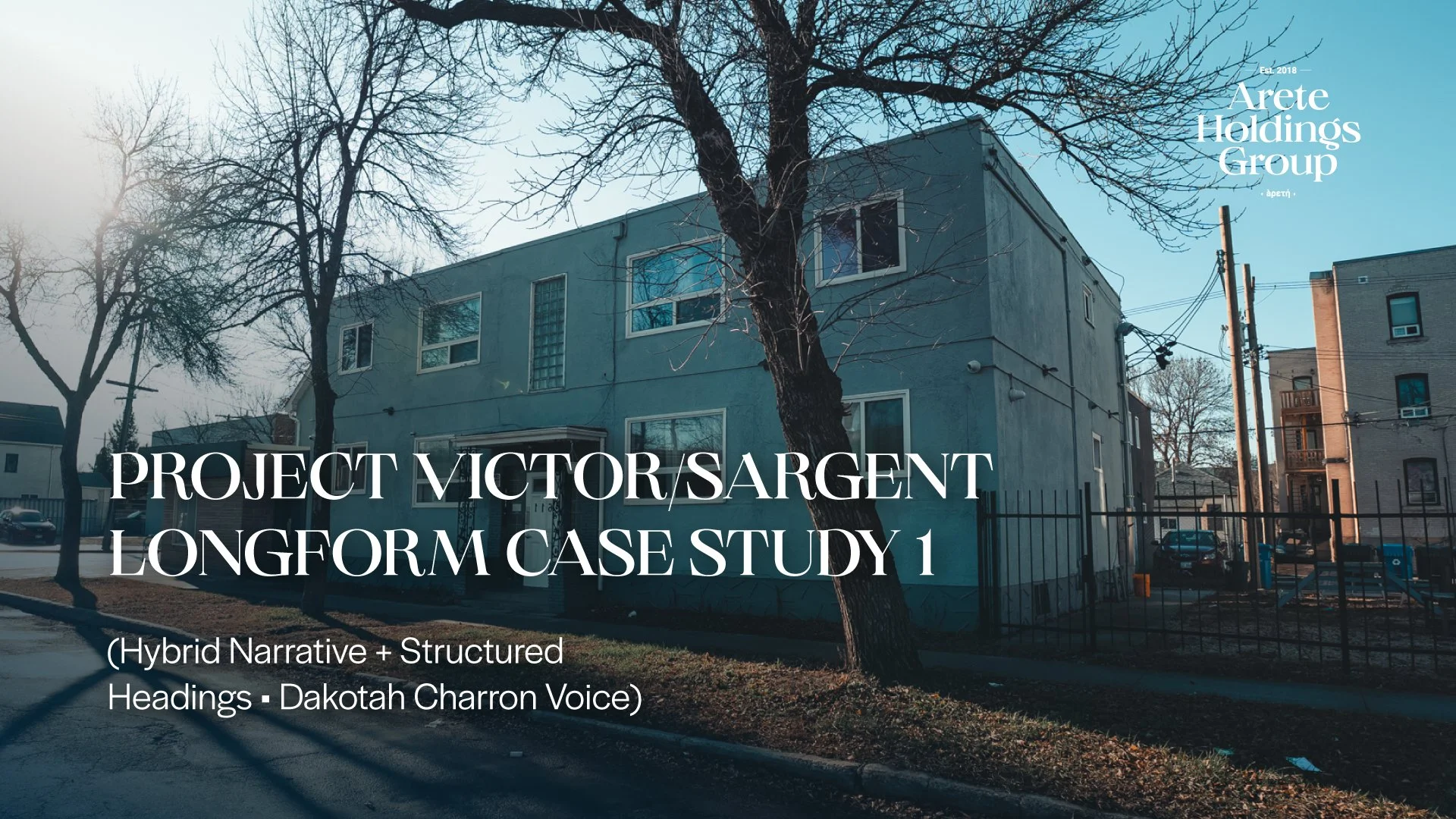
PROJECT VICTOR/SARGENT LONGFORM CASE STUDY 1
Opening
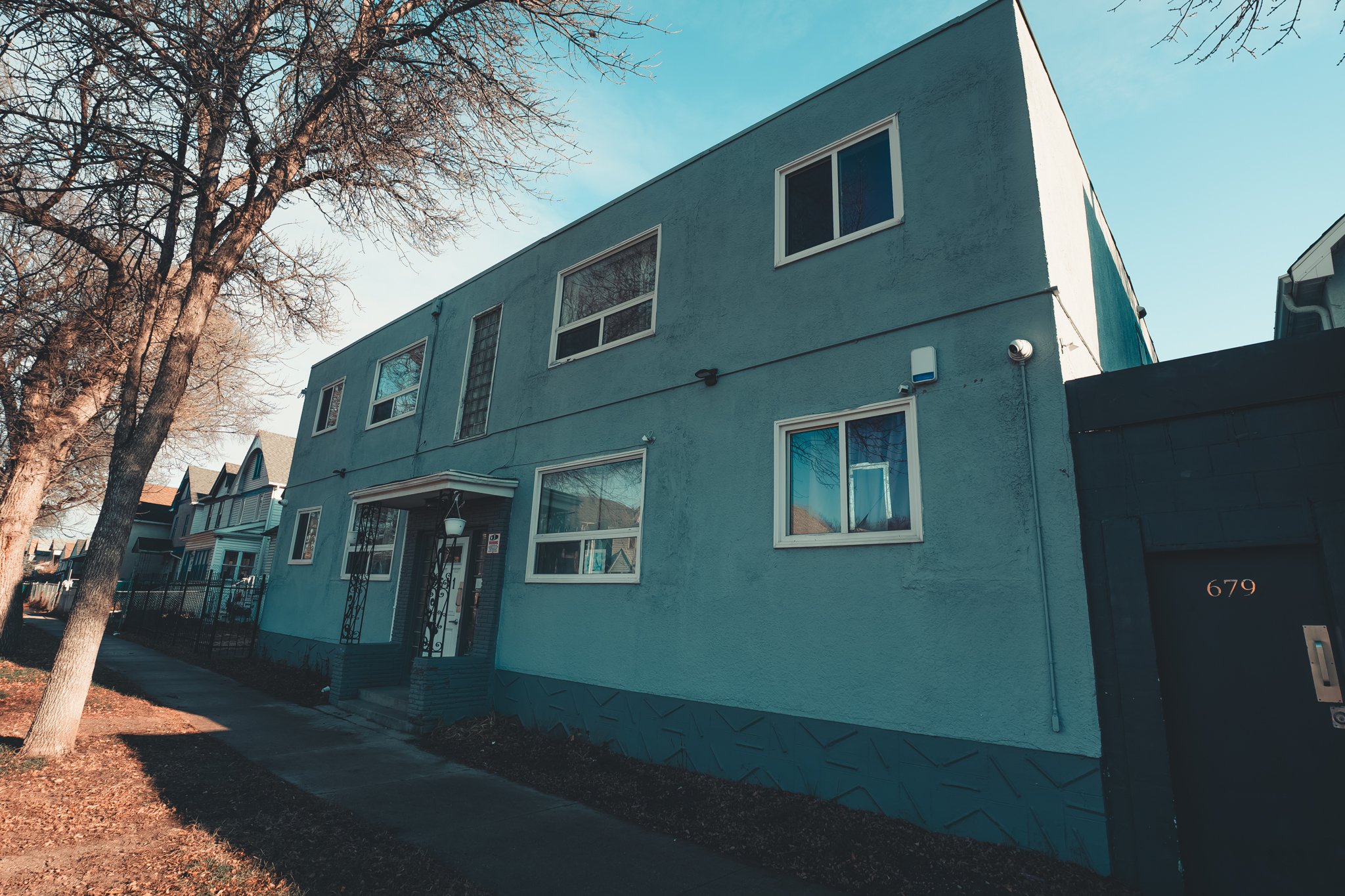
Project Victor/Sargent began as a straightforward request from a landlord who had recently invested in renovating their property and wanted to ensure the building’s rents were properly aligned with Manitoba’s legislation. Although the suites had been improved and rents had been raised, the landlord was unsure whether those increases were compliant, defensible, or aligned with the registered rents on file. They approached Arete for clarity, structure, and a long-term rent strategy that would protect the asset and allow for sustainable income growth.
It is important to note that this engagement occurred years before the dangerous tenant matter that would later arise. At this stage, the property was fully stable, and our focus was purely on legislation, compliance, and valuation.
PROJECT SHERBROOK
THE FULL STORY

PROBLEM
The landlord believed the improvements made to the building justified higher rents. However, when we reviewed the file, it became immediately clear that the rents currently being charged were significantly higher than the registered rents. The property was exposed from a compliance standpoint. If challenged, the landlord could face rent rollbacks, disputes, and future restrictions on increases.
The long-term health of the building depended on aligning the current rents with what was legally registered and ensuring the income profile matched the renovated condition of the suites.

The Discovery
Our review confirmed that the registered rents were well below actual rents. The renovations had value, but the necessary steps to lawfully increase registered rents had not been taken. Without correction, the landlord was relying on an income structure that was not defensible, potentially affecting valuation, refinancing, and future increases.
The building required a full rent audit, a proper registered rent correction process, and a structured above-guideline rent increase that aligned the legal rent limits with the renovated condition of the property.
The Strategy
We developed a detailed plan built on:
Confirming all renovations completed in prior years.
Assessing which of those improvements qualified under RTB rules for above-guideline increases.
Meeting with tenants to correct paperwork and formalize terms.
Filing an above-guideline rent increase application to adjust the registered rents to lawful levels reflective of the renovated building.
Preparing the proper one-year lease agreements and issuing compliant rent-increase notices once the AGI was approved.
The goal was to secure rents that were compliant, defensible, and aligned with the true value of the property.
1
2
3
4
5
6
The Execution
We collected documentation, created a full ledger of improvements, and prepared a complete AGI submission. We met with tenants, updated contracts, and clarified rental terms. Once filed, the above-guideline rent increase became the foundation for correcting the entire rent structure.
After approval, we issued one-year leases with proper notice periods, ensuring that every rent level was both lawful and tied directly to the improvements completed.
By the end of the process, the property’s rent structure had been legally rebuilt from the ground up.
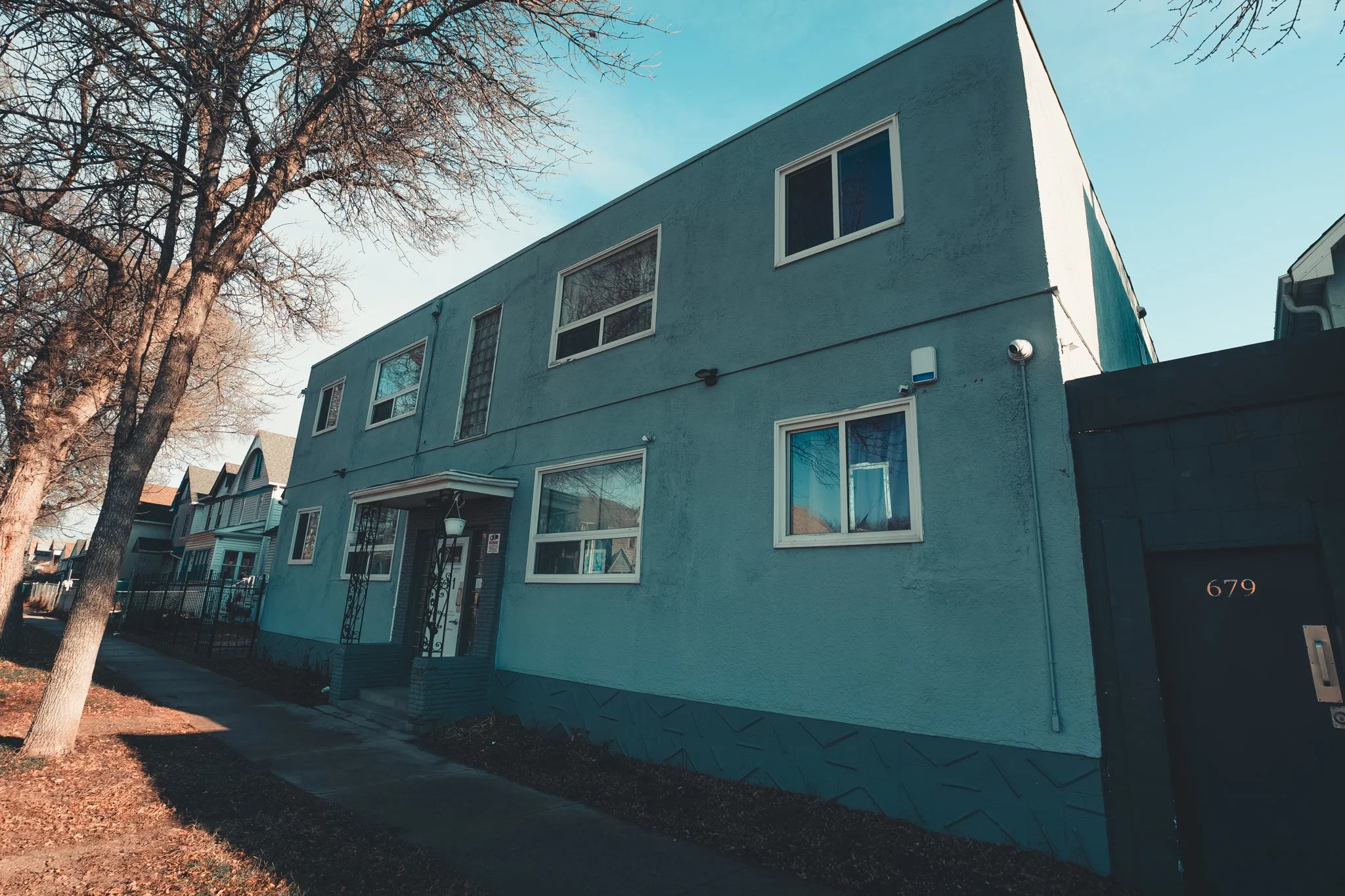
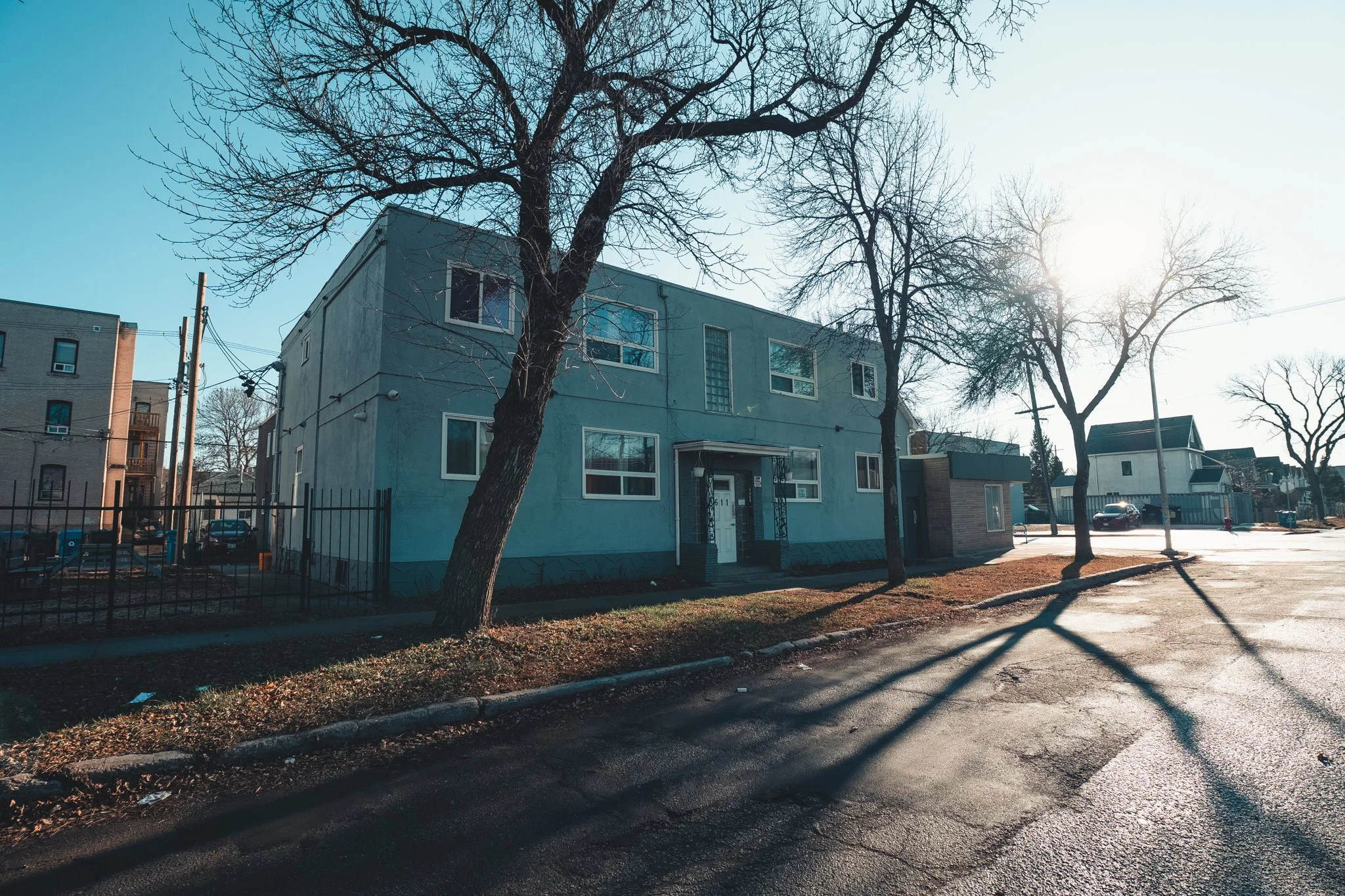
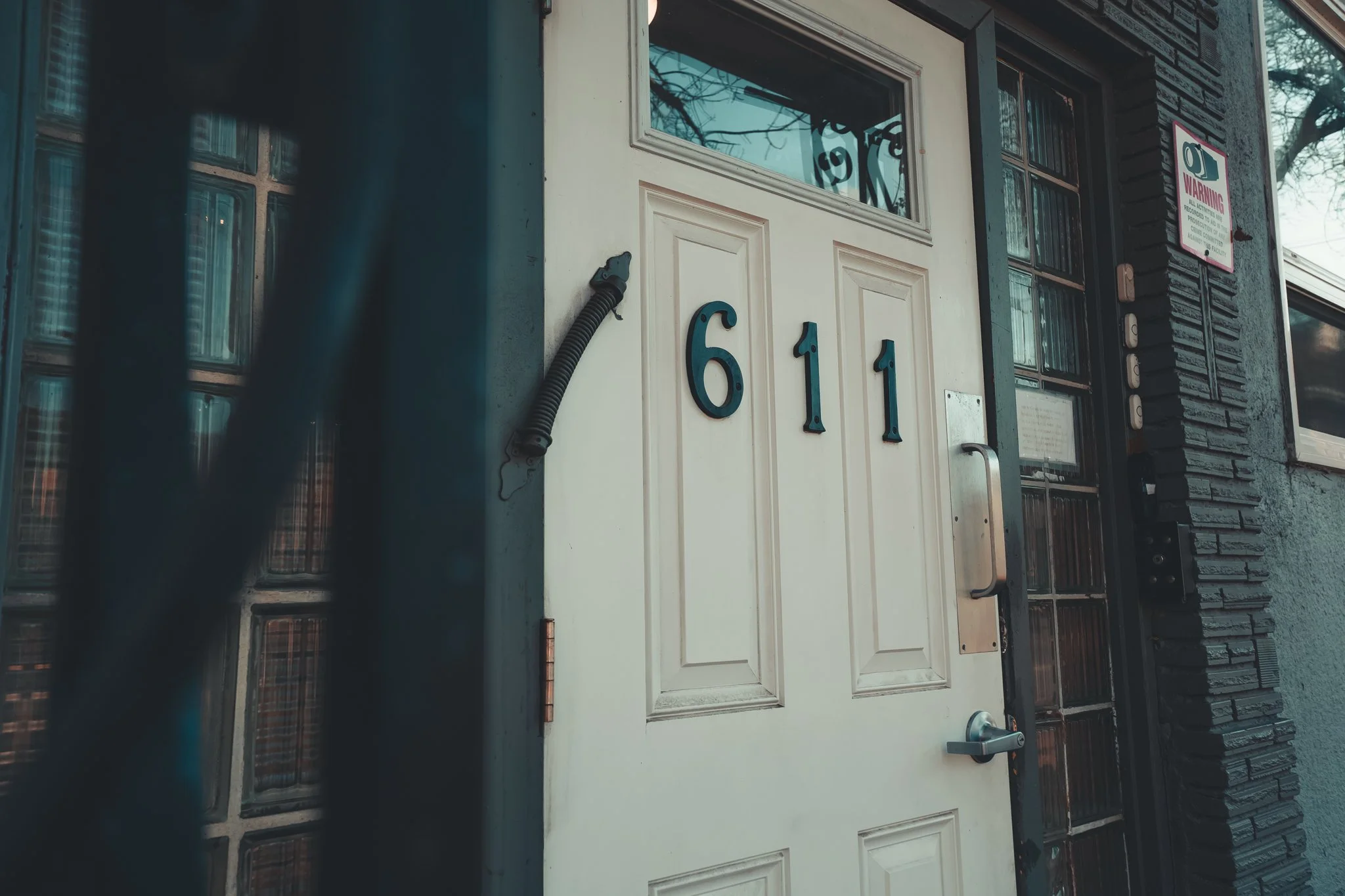
The landlord moved from a position of uncertainty and exposure to full compliance. The registered rents were doubled in some cases, fully aligned with the renovated condition of the suites, and positioned for long-term increases.
RESULTS
The building’s valuation improved.

This case study highlights the importance of rent-control strategy and long-term planning. Many landlords assume renovations justify higher rents, but without formal legislative steps, the income profile is vulnerable. By stabilizing the registered rents early on, we protected both the asset and the client’s long-term investment.
CLOSING
The risk of rent rollbacks was removed.
This engagement secured the financial foundation of Victor/Sargent long before the separate tenancy issues that would arise years later.
The income structure became predictable and compliant.