

PROJECT HEADINGLEY
— LONGFORM CASE STUDY

Opening
Some projects test your systems.
Some projects test your patience.
And then there are projects that test your entire operation — legally, strategically, and operationally.
Headingley was that project.
A 500-acre parcel of land.
Two out-of-province owners.
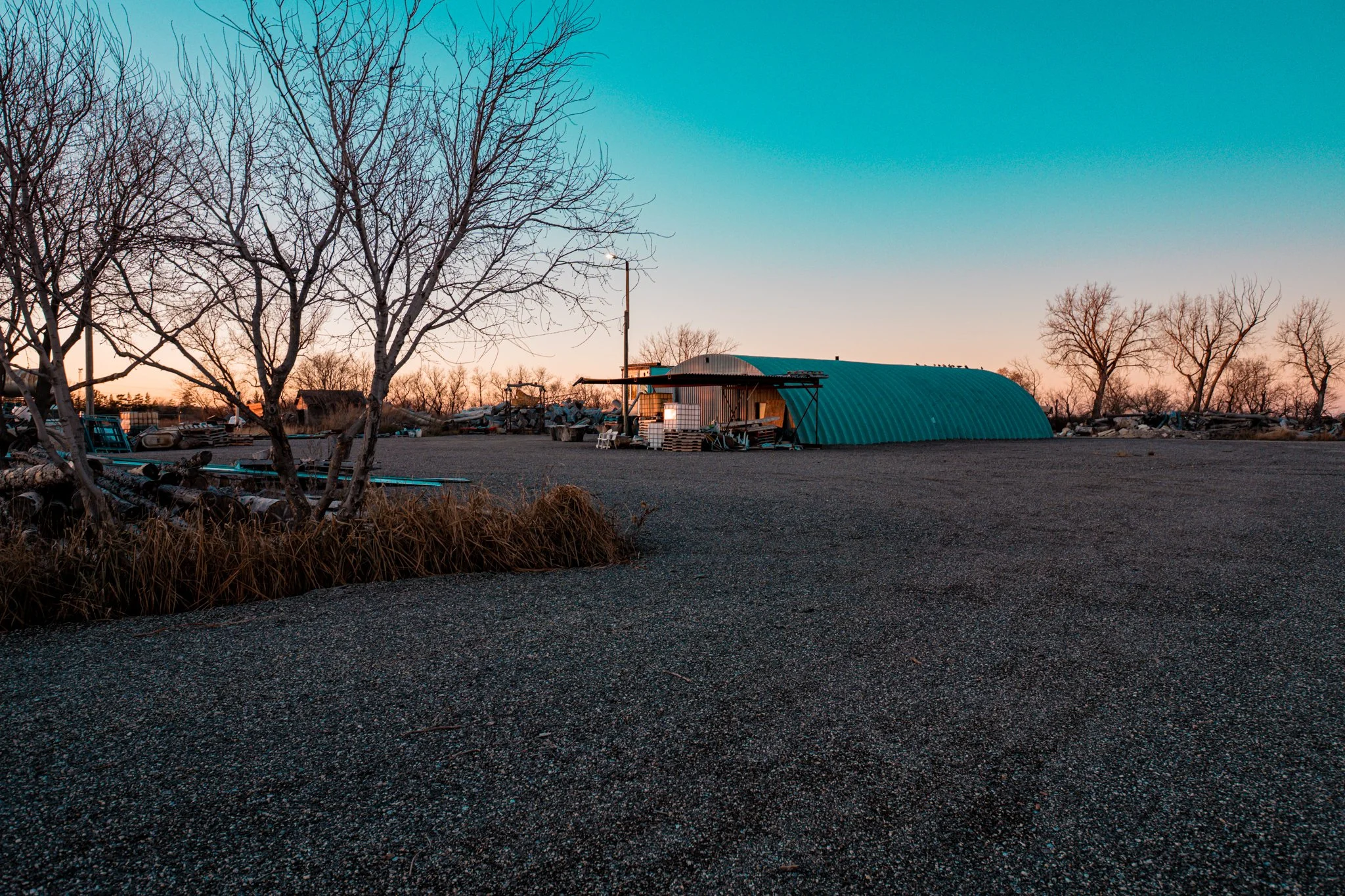
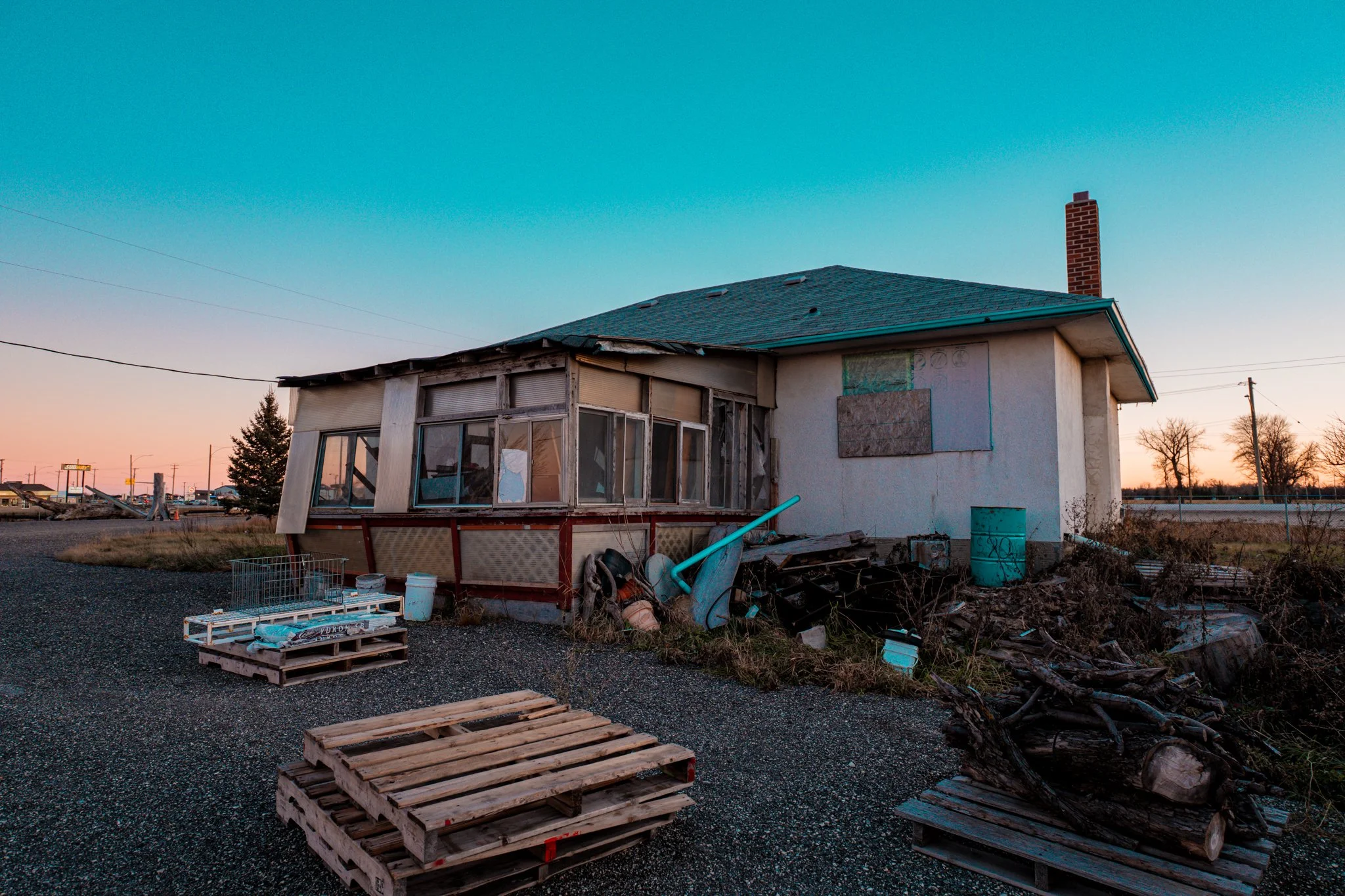
A tenant who turned a small rental home into a full-scale illegal sawmill.
An RM preparing an injunction.
RCMP involvement.
Half a million dollars worth of wood piled across the site.
Zero cooperation from the person responsible.
Most people would run from a situation like this.
Arete ran toward it.
PROJECT HEADINGLEY
— THE FULL STORY

PROBLEM
Two doctors in Toronto owned 500 acres of land in Headingley — mostly farmland, plus a small house generating basic rent.
They did what many out-of-province owners do:
They signed a verbal lease
Trusted the tenant
Never checked in
Never clarified what was allowed
And that handshake agreement turned into a nightmare.
Over time, the tenant:
Brought in hundreds of thousands of dollars of wood
Began operating a full illegal sawmill
Ran an unpermitted commercial enterprise
Ignored municipal orders
Ignored zoning laws
Ignored environmental regulations
He didn’t care.
He knew the owners were far away.
He knew nobody would show up.
He dug in.
The situation escalated so badly that:
The RM of Headingley was drafting a court injunction
RCMP had already attended
The tenant refused to vacate
The property was contaminated with industrial materials
The owners were liable for environmental cleanup
And the owners were stuck on the other side of the country, overwhelmed and losing control of their own land.
That’s when Arete stepped in.

The Reality We Inherited
When we took over the file, the situation was already at its breaking point:
The land was being used illegally
Heavy equipment was operating on-site
Piles of wood — worth hundreds of thousands of dollars — covered the acreage
Access roads were damaged
Neighbors were complaining
The RM was done being patient
The sheriff’s office was preparing for involvement
Environmental liabilities were growing by the day
It wasn’t just a tenancy problem.
It was:
A legal problem
A zoning problem
A municipal problem
A safety problem
A liability problem
And a reputation problem
The owners were afraid that the land would become unsellable, and the cleanup costs alone could bankrupt the entire project.
This wasn’t a traditional eviction.
This was crisis management.
Strategy
1. Build a complete plan before making a single move
You cannot “wing it” in situations like this.
We put together a structured roadmap:
Legal pathway
Eviction strategy
Zoning compliance
Communication protocol with RM
Environmental risk mitigation
Abandoned property process
Sheriff enforcement planning
Timeline sequencing
Documentation trail
Cost-recovery strategy
This allowed us to stay fully compliant with:
The Residential Tenancies Branch
Municipal bylaws
Sheriff enforcement guidelines
Environmental regulations
2. Identify the correct eviction path
Because of the verbal lease and the blurred lines between “residential activity” and “commercial activity,” this case required precision.
We positioned the tenancy properly under RTB jurisdiction — because the building itself was residential — and filed:
A detailed eviction
With supporting evidence
With clear legal grounds
With proper service
With correct timelines
3. Coordinate with the RM of Headingley
This was essential.
We:
Engaged directly with RM officials
Got updates on the injunction timelines
Aligned our eviction plan with their compliance enforcement
Ensured the RM paused the injunction while we acted
This gave the owners breathing room and kept the municipality in the loop.
4. Prepare for sheriff removal
We knew the tenant wouldn’t leave voluntarily.
So we prepared in advance:Sheriff coordination
Security presence
Documentation teams
Lock change arrangements
Access protocols
Safety measures
5. Manage the abandoned property
This was a massive task.
There were:
Industrial materials
Machinery
Wood piles
Dangerous equipment
Scrap
Tools
And unidentifiable materials
All of it needed to be processed legally:
Documented
Stored
Disposed of
Or returned
This prevented liability for wrongful disposal.
6. Recover costs
We didn’t just remove the tenant — we pursued financial recovery.
Through our process, we were able to negotiate the tenant paying $20,000, which helped offset:
Legal fees
Administrative costs
Security
Cleanup
Disposal
Labour
This was a massive win for the owners.


RESULTS
Property vacated safely
No violence.
No escalation.
No property destruction.

Land restored to compliance
Illegal business operations shut down.
Environmental risks neutralized.
Property prepared for sale
The owners were finally able to list the 500 acres without:
A rogue tenant
Operational liabilities
Environmental concerns
Municipal pressure
Enforcement actions
Tenant removed
After years of resistance, the tenant was fully removed through:
RTB
Sheriff enforcement
Coordinated execution
$20,000 recovered for the owners
A rare win in cases like this.
RM paused their injunction
Because we acted quickly and professionally.
A multi-million-dollar land disposition saved
This case could have easily turned into:
A lawsuit
A forced cleanup
A municipal seizure
A massive cost to the owners
Instead, we delivered stability.
Project Headingley shows why Arete Holdings Group is trusted with the most complex, high-risk, multi-layered situations in the province.
Where municipalities, police, and owners could not act, we delivered clarity, control, and a complete resolution.
This wasn’t just an eviction.
It was the restoration of a multi-million-dollar asset.
That’s the Arete standard.