

PROJECT GROSVENOR — FULL CASE STUDY
INTRODUCTION
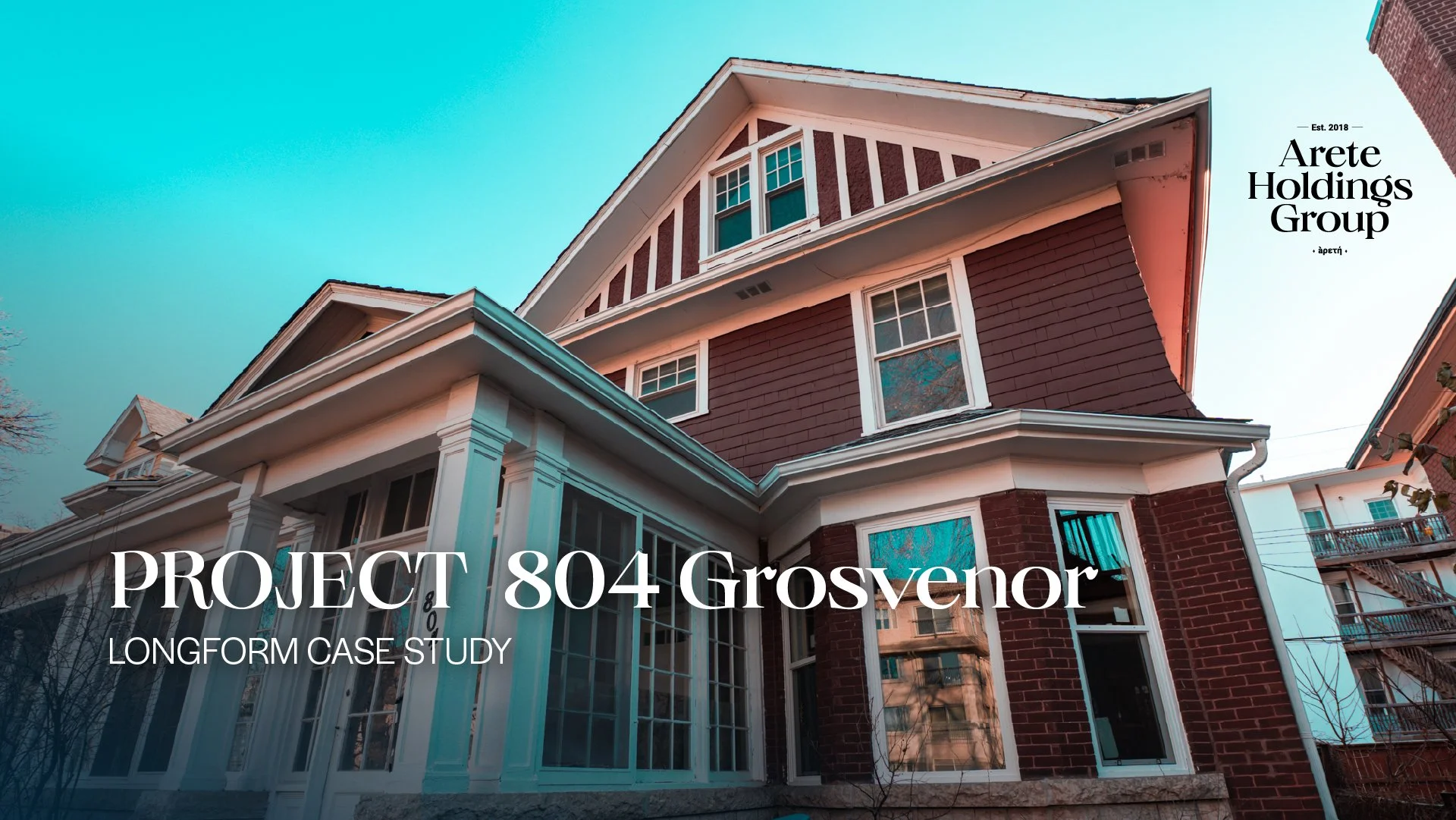
Project Grosvenor was a high-stakes file where a firm sale on a luxury multifamily property was at risk of collapsing because the seller could not deliver vacant possession as promised. The sale had already taken years to assemble. The buyer had invested heavily in planning, design, and engineering. The seller had finally come to terms with parting with the asset. But in the weeks leading up to possession, one remaining tenant refused to leave, and the eviction had not been handled correctly.
If the tenant stayed, the sale would fail. The buyer could have pursued damages. The seller would be forced back to market with a difficult tenant still in place. Both sides were exposed. This is when Arete was brought in.

PROBLEM
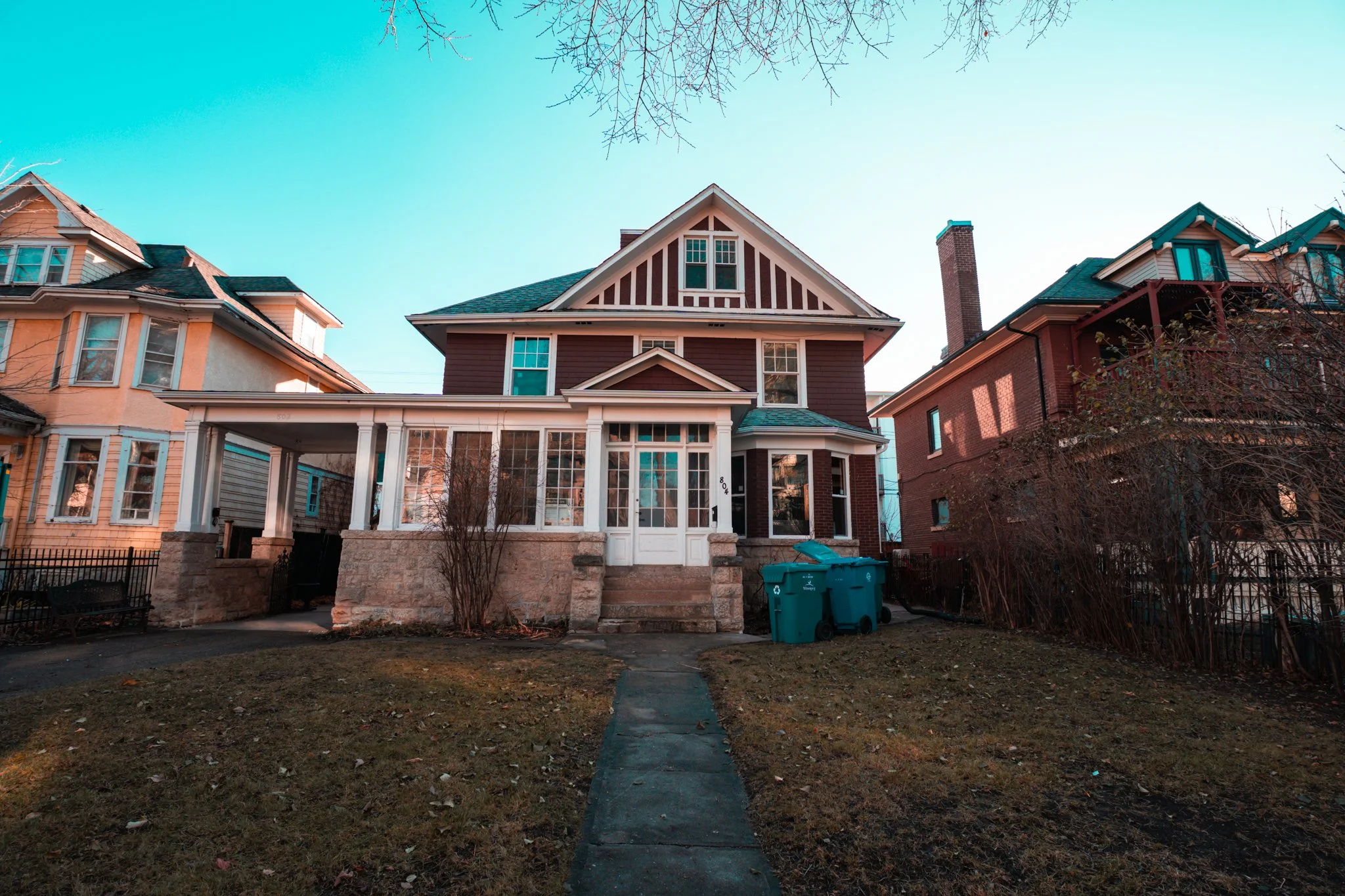
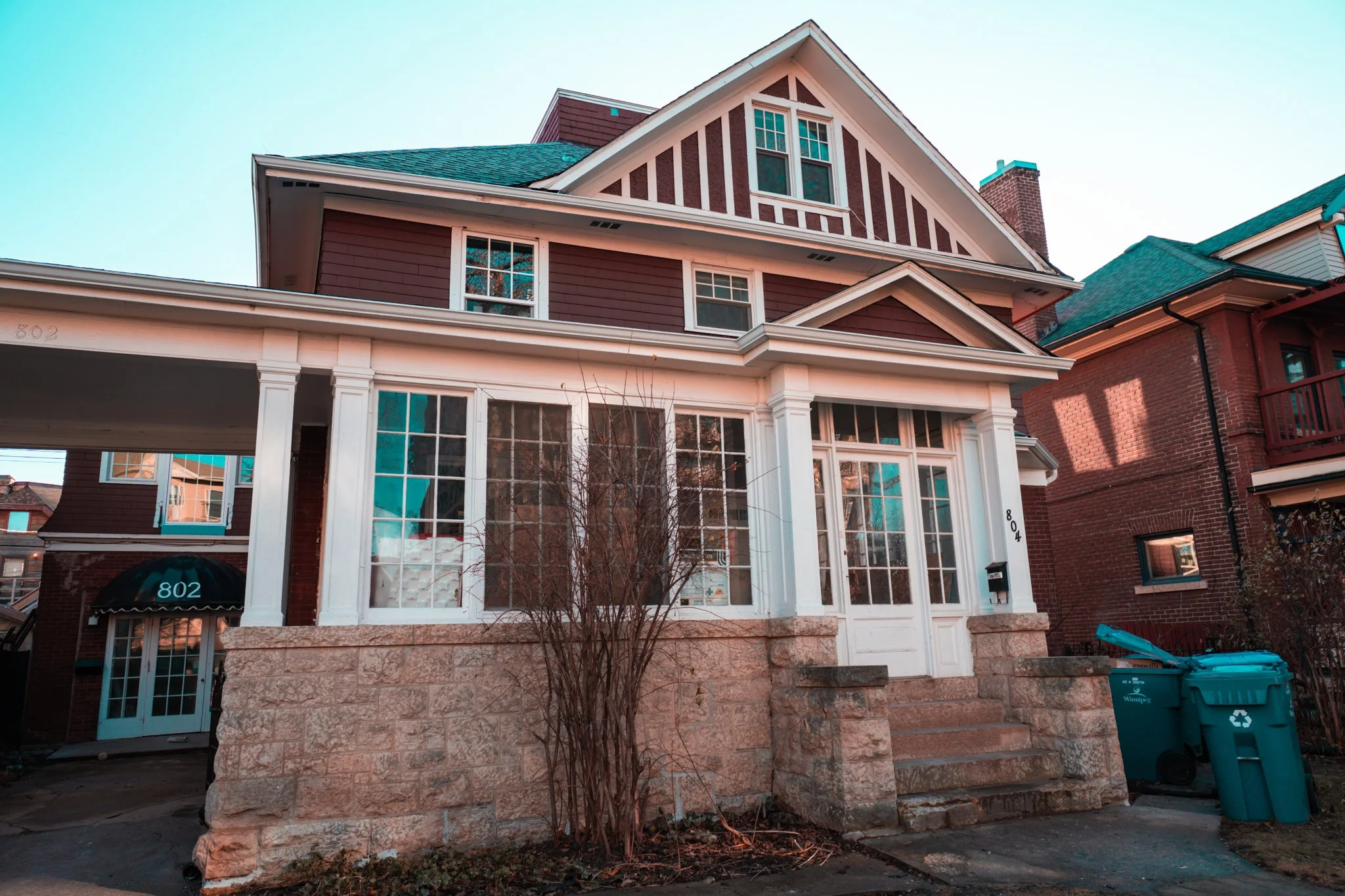
The property had been unconditionally sold on the understanding that it would be delivered vacant. Only one tenant remained in the building. The seller attempted to serve notice and remove this tenant but did so incorrectly. By the time we were called, the possession date was approaching and the tenant was firmly rooted in place.
The listing had already been difficult. It was a unique, higher-end multifamily property, and it had taken considerable time to find the right buyer. The new owner was unwilling to assume the tenant, and this was not the deal that had been agreed to. If the seller failed to deliver vacant possession, the entire transaction could unravel.

DISCOVERY
Once we were asked to step in, we worked with both the listing agent and the buyer’s agent to understand the commitments that had been made and the expectations of each party. On paper, the tenant appeared ideal: rent was paid on time, house rules were generally followed, and from the perspective of the Residential Tenancies Branch, he was the type of tenant who typically remained.
In practice, he was extremely difficult and manipulative. It was clear that a standard approach to eviction would not succeed. The original notice had already failed. Time was running out. The buyer was not prepared to close with the tenant still in place, and the seller had no clear path to fulfil his contractual obligations.
We quickly realized this would not be a quick fix. It would require a long, careful, highly structured plan.
Strategy
Our strategy had two key components. First, we needed to ground the eviction in strong, legally viable reasons that could withstand scrutiny at both the Residential Tenancies Branch and, if necessary, on appeal. Second, we needed to be prepared for a long process, including the likelihood that we would lose at first instance and have to proceed to the Residential Tenancies Commission.
We worked with the seller, the listing agent, and the buyer’s agent to manage expectations and timelines. Behind the scenes, we began gathering information, monitoring the tenant’s behaviour, and documenting issues in a way that would support a future eviction application. The plan was not to rush, but to build a case that would eventually succeed, even if the first hearing did not.
EXECUTION
We filed an eviction application based on several carefully chosen grounds and proceeded to hearing. As expected, we did not win at the Residential Tenancies Branch level. Given how the tenant presented on paper and in the context of the legislation, this outcome had been anticipated.
Immediately after the decision, we moved to the next phase of the plan and appealed to the Residential Tenancies Commission. There, we presented the full context, the cumulative behaviour, and the impacts on both the property and the pending sale.
The appeal required persistence, detailed preparation, and a strong understanding of how to position the case so that the Commission could see beyond the surface. In the end, the Commission granted the eviction. This decision was final and not subject to further appeal.


RESULTS
Once the eviction order was granted, we coordinated the process of having the tenant removed. The seller was able to deliver vacant possession, and the sale proceeded as originally intended. The buyer’s substantial pre-closing investment in planning and design was preserved. The seller avoided the risk of litigation and the cost of restarting the entire sales process with a tenant still in place.
From beginning to end, the process took eight to nine months. It was time-intensive, complex, and required a customized, patient approach that a typical property manager would not undertake.
Project Grosvenor demonstrates the type of tailored, high-stakes work Arete performs when traditional approaches are not enough. We were able to protect a major sale, safeguard both sides from significant loss, and resolve a situation where, on the surface, removal seemed almost impossible.