

PROJECT ARCHIBALD
— LONGFORM CASE STUDY
Opening
This case still sits with me because it shows exactly why property management alone isn’t enough — and why some situations require a different kind of operator.
This wasn’t a late rent issue.
This wasn’t a maintenance call.
This was a life-threatening, high-risk, volatile tenant situation involving weapons, fear, and a landlord who had lost control of his own building.
Most people would have walked away from this.
Arete walked in.
PROJECT HEADINGLEY
— THE FULL STORY

PROBLEM
The Problem
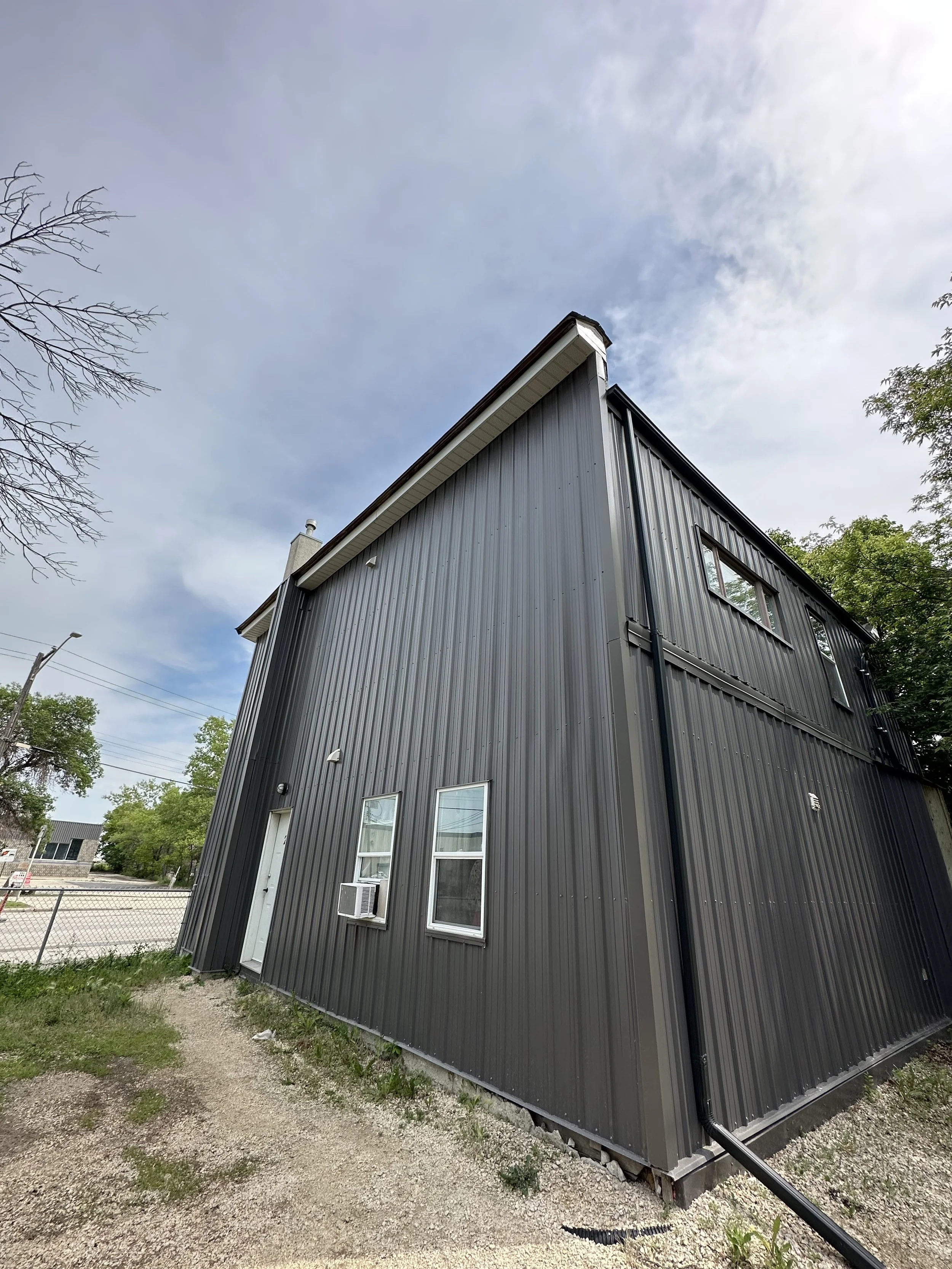
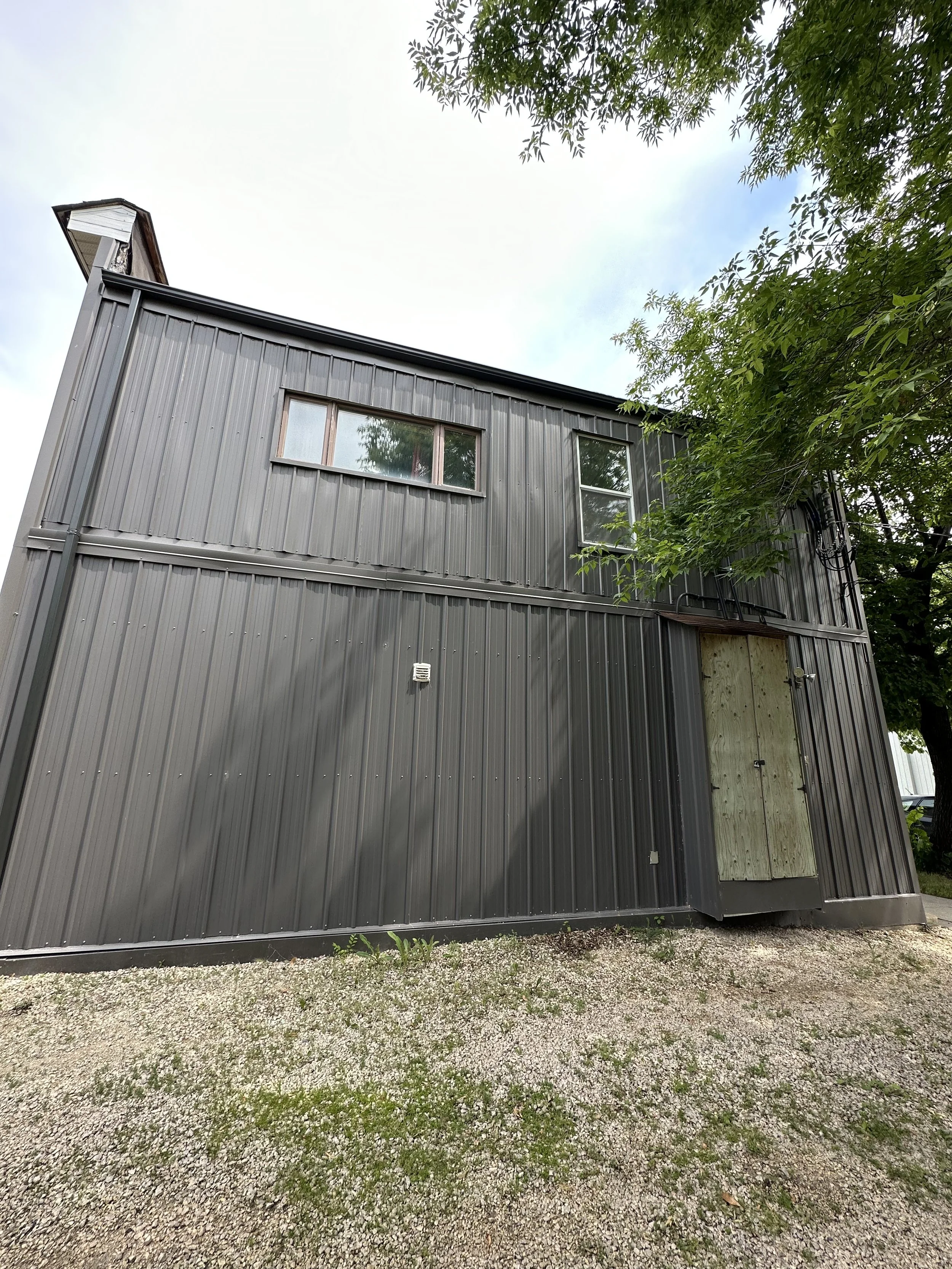
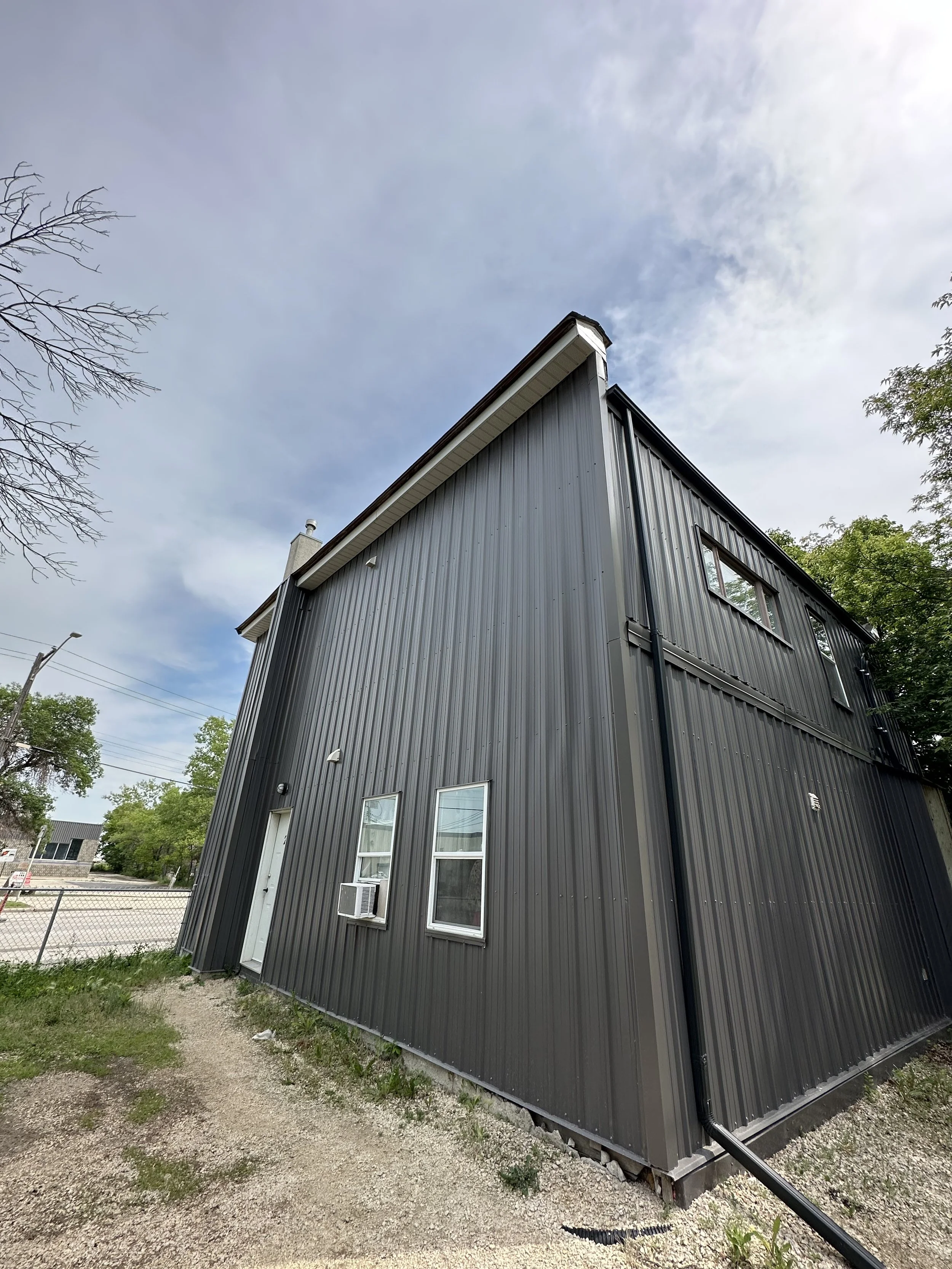
The property was a modest duplex — upper suite and basement suite.
A small building with a big problem.
The basement tenant had:
Pulled out an axe
Threatened to kill the upstairs tenants
Caused major disturbances
Damaged the unit
Had aggressive dogs
Ignored all previous warnings
The upstairs tenants were terrified.
The landlord was terrified.
Nobody felt safe — including the owner, who was receiving threats himself.
The owner attempted an eviction on his own, but:
Filed the wrong paperwork
Waited months with no progress
Lost control of the timeline
Lost the trust of the upstairs tenants
Lost sleep every night
Worse — the police attended but because no charges were laid, they couldn’t intervene further.
Everyone was stuck.
Everyone was scared.
This wasn’t a management issue.
This was a crisis.
And that’s when the owner reached out to Arete.

The Reality We Walked Into
When we arrived, the situation was already spiraling:
The upstairs tenants were planning to move out for safety.
The basement unit was heavily damaged.
The landlord refused to step foot on the property.
The tenant avoided all contact.
There was no signed admission of identity on the RTB paperwork.
The eviction previously filed was invalid.
And the scary part?
The violent tenant had effectively disappeared, but still held legal possession of the unit, and could return at any moment.
A traditional property manager would have (and should have) refused.
This needed strategy, precision, and experience.
Strategy
1. Step in immediately and take control
The first move was simple:
Remove the owner from all direct risk.
We became the point of contact.
We handled everything.
We insulated the landlord from danger and liability
2. File a proper RTB eviction, within 24 hours
We rebuilt the case from scratch:
Correct notice
Correct grounds
Correct documentation
Correct timelines
Correct language
Correct service strategy
This alone put the case back on track.
3. Deploy security
We coordinated security professionals to:
Attend the site with us
Protect the upstairs tenants
Protect ourselves
Enforce safe entry
Prevent violence
Document interactions
You cannot approach a volatile tenant without protection.
Period.
4. Locate the tenant
This was the hardest part.
The tenant was:
Not at the property
Not answering the door
Not responding
Avoiding service
Avoiding accountability
We did site visits.
We talked to neighbors.
We tracked activity.
We analyzed patterns.
And eventually, through our network and some investigative work, we found the tenant offsite, staying with friends.
This is where experience matters — because the RTB only cares about one thing:
Legal, provable service.
We delivered it.
5. Mediate, outside RTB, and avoid a hearing
This is where everything changed.
The typical process would be:
File
Wait
Hold hearing
Hope the adjudicator sees things your way
Then enforce the order
Then get the sheriff involved
Wait more
Spend more
We didn’t do that.
We negotiated a settlement directly with the tenant — using a strategic, structured, risk-managed resolution.
We agreed to:
A voluntary move-out
A clean surrender of possession
The landlord keeping the damage deposit
Zero further claims
Zero hearing
Zero escalation
And we got it in writing.

RESULTS
No hearing required
We avoided:
Delays
Risky adjudications
Appeals
Back-and-forth
Uncertainty
Damage deposit retained
The landlord recovered part of the repair costs.
Owner protected from all risk
He never had to confront the tenant.
He never had to show up onsite.
He never had to put himself in danger.
Tenant removed in under two weeks
From the moment Arete took over to the moment the key was surrendered — less than 14 days passed.
Unit immediately renovated and re-leased
The owner:
Repaired the suite
Cleaned the building
Re-rented the unit
Restored stability
All within 30 days.
Safety restored
The upstairs tenants stayed.
The fear disappeared.
Normalcy returned.
Zero violence during the process
That’s the outcome that matters most.
This project is a reminder of why Arete exists.
We aren’t here just to collect rent.
We aren’t here to patch drywall.
We aren’t here to play around with property management.
We are here to solve the problems no one else wants to touch — and to keep owners safe, buildings protected, and investments moving forward.
Project Archibald wasn’t just an eviction.
It was the restoration of safety, control, and stability.
That’s what we do.